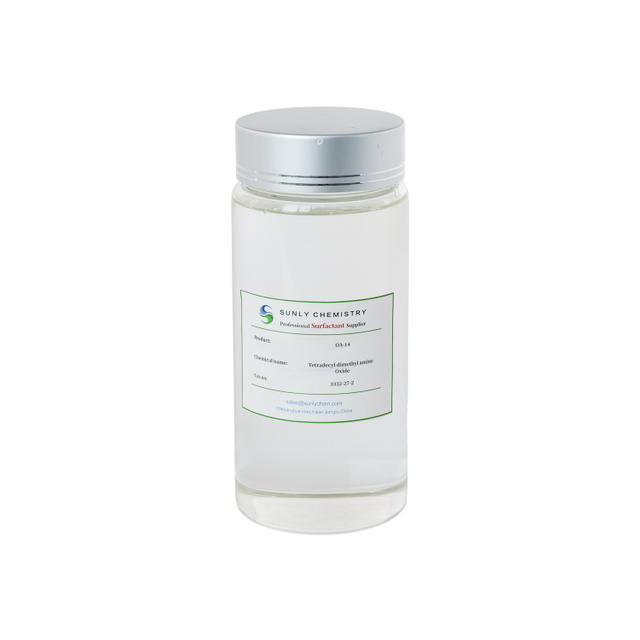
Views: 0 Author: Site Editor Publish Time: 2026-01-06 Origin: Site
Have you ever wondered what makes a surfactant so effective? Surfactants are essential in many everyday products, from cleaning agents to personal care items. In this article, we will explore how surfactants work and their different applications. You'll learn about their chemical structure, types, and key roles in various industries.
Surfactants are substances that help reduce the surface tension between two materials, such as oil and water, allowing them to mix or spread more easily. This action makes surfactants vital in applications like cleaning, emulsification, and even foaming.
Surfactants are made up of molecules with hydrophilic (water-loving) and hydrophobic (water-repelling) parts. The hydrophilic part interacts with water, while the hydrophobic part binds to oils or grease. This dual nature is what makes surfactants effective in cleaning and other processes.
The unique structure of surfactants allows them to perform their surface-active roles. A typical surfactant molecule has a hydrophilic head and a hydrophobic tail. The hydrophilic part interacts with water, while the hydrophobic tail binds to oils, grease, or dirt. When added to a liquid, surfactants lower the surface tension and help to break down substances like oils, allowing them to be emulsified or dispersed.
Tip: When choosing surfactants for industrial applications, it’s essential to understand their chemical structure to ensure compatibility with the materials you are working with.
Surfactants come in various types based on their charge and functionality. The most common categories include:
● Anionic Surfactants: These have a negative charge and are typically used in cleaning products such as laundry detergents and dish soaps. They are very effective at removing dirt and grease.
● Cationic Surfactants: These are positively charged and are often used in fabric softeners and hair conditioners due to their ability to reduce static and soften materials.
● Non-ionic Surfactants: These have no charge and are generally milder than anionic or cationic surfactants. They are commonly found in personal care products, as they are less likely to irritate the skin.
● Amphoteric Surfactants: These can be either positively or negatively charged depending on the pH level, making them versatile for use in a variety of products, from shampoos to cleaners.
Type of Surfactant | Charge | Common Use Case | Example Products |
Anionic | Negative | Cleaning products like detergents | Laundry detergents, dish soaps |
Cationic | Positive | Fabric softeners and conditioners | Hair conditioners, fabric softeners |
Non-ionic | None | Personal care products | Shampoos, body washes |
Amphoteric | Both (+ or -) | Mild products for sensitive skin | Baby shampoo, face cleansers |
The primary function of surfactants is to lower surface tension, which allows liquids to spread more easily across surfaces or mix with other substances. This is achieved through the unique molecular structure of surfactants. Surfactants consist of molecules with both hydrophilic (water-loving) heads and hydrophobic (water-repelling) tails. When added to water, the hydrophilic heads are attracted to the water molecules, while the hydrophobic tails bind to oils and grease. This dual nature breaks the bond between water molecules, lowering the surface tension. For example, when soap is added to water, the surfactants in the soap reduce the surface tension of the water, allowing it to penetrate dirt and grease more effectively, facilitating their removal.
As a result, surfactants play a crucial role in making processes like cleaning more efficient. They enable water to wet surfaces more easily and help in dispersing contaminants, which is essential for cleaning and other applications.
One of the key roles of surfactants is emulsification—the process of mixing two immiscible liquids, like oil and water. Normally, oil and water don't mix due to their differing polarities. However, surfactants can bridge this gap by having both hydrophilic and hydrophobic regions in their structure. The hydrophobic tail of the surfactant binds to oil molecules, while the hydrophilic head interacts with water molecules, stabilizing the mixture. This ability to form stable emulsions is why surfactants are indispensable in products like salad dressings, lotions, creams, and even certain pharmaceutical formulations. Without surfactants, emulsions would separate, compromising the texture and consistency of these products.
Surfactants also play a role in stabilizing emulsions over time, which is important in both consumer products and industrial processes where consistency is crucial.
Surfactants are also responsible for producing foam in products like shampoos and soaps. The hydrophobic tails of surfactant molecules trap air, creating bubbles. The wetting properties of surfactants also help liquids spread more evenly on surfaces, which is why they are commonly used in cleaning products.
Industry | Application | Surfactant Role |
Cleaning Products | Dishwashing liquid, laundry detergents | Breaks down grease, dirt, and oil |
Personal Care | Shampoos, conditioners, body washes | Emulsifies oils, creates foam, and enhances texture |
Food Processing | Mayonnaise, salad dressings | Creates and stabilizes emulsions |
Industrial | Paints, oil recovery, chemical processes | Disperses pigments, enhances efficiency |
Surfactants are widely used in cleaning products, where their ability to reduce surface tension helps remove dirt, grease, and other contaminants. They are particularly effective in products like dishwashing liquids, laundry detergents, and surface cleaners.
In cleaning, surfactants work by binding to the oils and dirt on surfaces, breaking them down so that they can be easily rinsed away.
Surfactants play a critical role in cosmetics and personal care products like shampoos, conditioners, and body washes. They are used to help emulsify oils, stabilize foams, and improve the texture of these products.
For example, in shampoos, surfactants help to cleanse the scalp and hair by removing oils and dirt, while also providing a lather that enhances the user experience.
Surfactants are used in various industrial applications such as paint formulation, oil recovery, and chemical processes. In paint, surfactants help to disperse pigments evenly and prevent clumping. In oil recovery, they are used to enhance the separation of oil from water, improving the efficiency of the extraction process.
Surfactants are used in the food industry to create and stabilize emulsions, which are mixtures of oil and water that normally do not mix. Common examples include salad dressings, mayonnaise, and sauces, where surfactants help maintain a consistent texture.
In food products like whipped cream and meringues, surfactants help stabilize the foam, making it denser and more stable. This property is essential for products where texture and consistency are key.
While surfactants are incredibly useful, their environmental impact is an important consideration. Many surfactants are biodegradable, but the rate of degradation depends on their chemical structure. Biodegradable surfactants break down more quickly in the environment, reducing their impact.
Surfactants are generally safe when used properly, but some can be irritating to the skin or harmful to aquatic life. As a result, regulations govern the use of surfactants in consumer products to ensure they are safe for human and environmental health.
Tip: When selecting surfactants for cleaning or personal care products, always check for certifications that indicate the product's safety and environmental impact.
While surfactants are widely used, they are not the only option for emulsification or cleaning. Alternatives such as enzymes, natural oils, and other solvents can be used in some applications. However, surfactants generally provide more efficiency, especially when it comes to cleaning and emulsifying.
The future of surfactants involves the development of more sustainable and eco-friendly options. As environmental concerns continue to grow, there is increasing demand for biodegradable and non-toxic surfactants that can perform without harming the environment.
Surfactants play a crucial role in many industries, from cleaning to cosmetics. Companies like Sunly Chemistry provide high-quality surfactants with unique benefits, offering value through innovation and reliable performance. Their products help businesses meet diverse needs in cleaning, emulsifying, and more.
A: A surfactant is a substance that reduces surface tension between two materials, such as oil and water, helping them mix or spread more easily.
A: Surfactants have both hydrophilic and hydrophobic parts, which allow them to interact with water and oil, making them effective in cleaning and emulsifying.
A: The main types of surfactants are anionic, cationic, non-ionic, and amphoteric, each with unique properties for different uses.
A: Surfactants are essential in cleaning products because they help break down grease and dirt by reducing surface tension, allowing for more effective cleaning.
A: Some surfactants are biodegradable, but their environmental impact depends on their chemical structure. Biodegradable surfactants break down more quickly and have less environmental impact.
A: Surfactants are used in food processing to create emulsions, such as in mayonnaise and salad dressings, keeping oil and water mixed.