
Views: 0 Author: Site Editor Publish Time: 2026-01-06 Origin: Site
Surfactants are essential in many industries. Have you ever wondered what makes soap effective at cleaning? The answer lies in surfactants. In this guide, we’ll explore their chemistry, types, and diverse applications. You’ll understand how surfactants work and their role in products we use every day.
A surfactant, or surface-active agent, is a chemical compound that reduces surface tension between two liquids, a liquid and a solid, or a liquid and a gas. This unique property allows surfactants to interact with both water (hydrophilic) and oils (hydrophobic), which is why they’re so effective in cleaning and emulsifying.
Surfactants are amphiphilic molecules, meaning they have both hydrophilic (water-attracting) and hydrophobic (water-repelling) parts. These molecules arrange themselves at interfaces, such as water and oil, forming structures like micelles that trap oil or dirt particles, making them easier to remove. Surfactants are a fundamental part of many chemical formulations, from detergents to cosmetics.
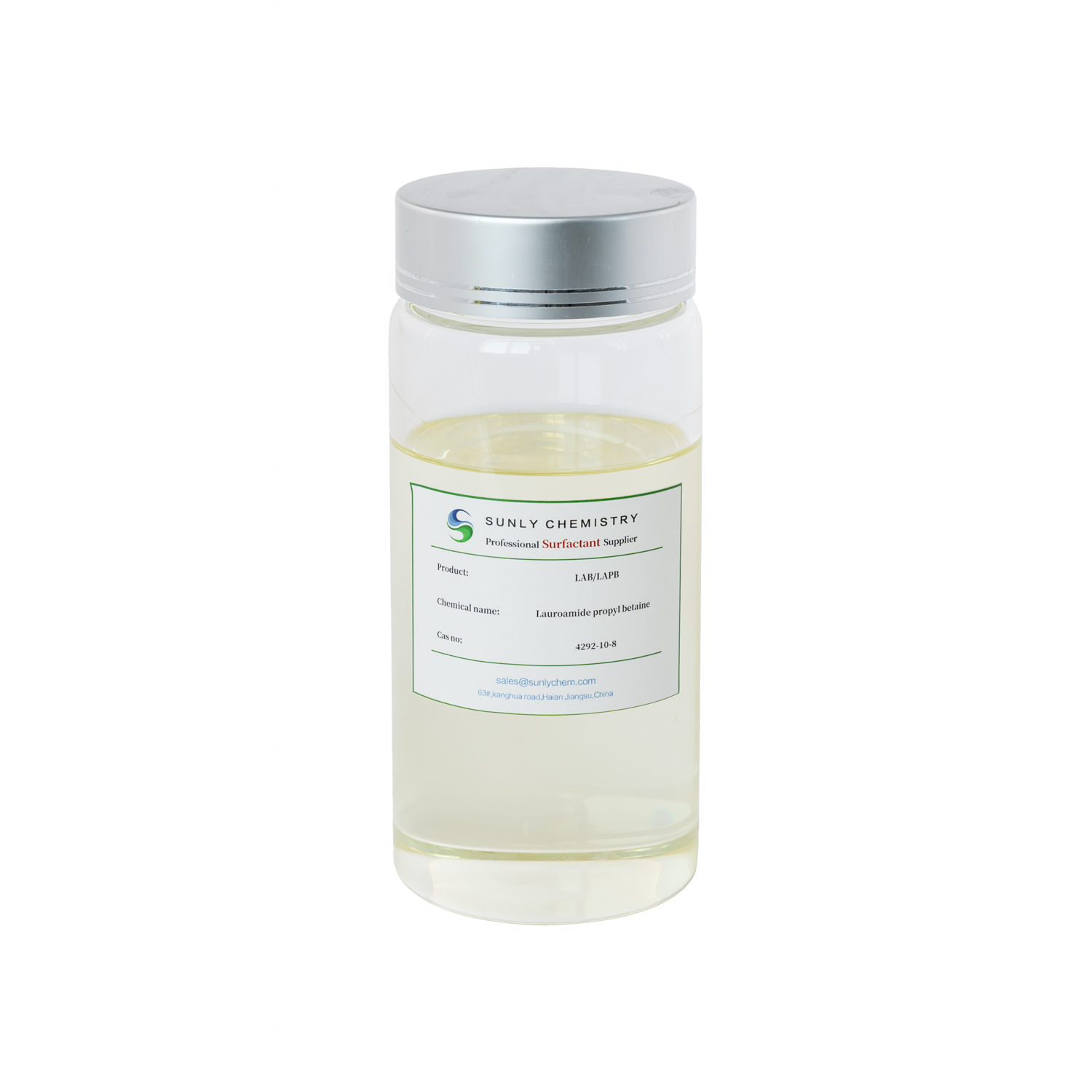
The working mechanism of surfactants lies in their ability to lower surface tension. When mixed with water, surfactants position themselves at the interface between water and air, disrupting the cohesion between water molecules. This disruption allows the surfactant molecules to spread more easily and interact with non-water molecules, such as oils or dirt.
When used in cleaning products, surfactants break down the dirt particles and lift them away from surfaces, which is why detergents and soaps are effective at removing grime. They also form emulsions, where two immiscible liquids (like oil and water) are stabilized in a homogeneous mixture.
Surfactants can be classified into four main types based on their ionic charge:
● Anionic Surfactants: These are the most commonly used surfactants, found in soaps and detergents. They have a negative charge on the hydrophilic part of the molecule. They are excellent at removing dirt but can be harsh on the skin.
● Cationic Surfactants: These have a positive charge on the hydrophilic part and are commonly used in fabric softeners and disinfectants.
● Nonionic Surfactants: These surfactants do not carry a charge and are typically used in products like mild cleansers, shampoos, and cosmetics. They are gentle and less likely to irritate the skin.
● Amphoteric Surfactants: These can have either a positive or negative charge, depending on the pH of the solution. They are often used in personal care products like shampoos and bubble baths.
Type of Surfactant | Characteristics | Common Applications |
Anionic | Negatively charged, strong detergency. | Household cleaners, laundry detergents. |
Cationic | Positively charged, softening and disinfecting. | Fabric softeners, disinfectants. |
Nonionic | No charge, gentle and less irritating. | Shampoos, facial cleansers, cosmetics. |
Amphoteric | Can be positive or negative depending on pH. | Personal care products, shampoos, bubble baths. |
Surfactants are key ingredients in household cleaning products such as dishwashing liquid, laundry detergents, and surface cleaners. Their primary role is to break down the surface tension between water and oils or dirt, making it easier to remove stains.
For example, anionic surfactants in laundry detergents lift and suspend dirt particles in the wash water, preventing them from re-depositing onto the fabric. This is why your clothes come out clean and fresh after a wash. Similarly, surfactants in dishwashing liquid effectively remove grease from your dishes by emulsifying the oil and water.
Surfactants are widely used in personal care products like shampoos, body washes, and toothpaste. They help create foam and lather, which many people associate with cleanliness and effectiveness.
For instance, in shampoos, surfactants like sodium lauryl sulfate (SLS) act as cleaning agents by binding to the oils and dirt in your hair and scalp, allowing them to be rinsed away. Nonionic surfactants in shampoos tend to be gentler and are often used for sensitive skin and hair.
Surfactants also play a vital role in industries such as textiles, paper production, and coatings. In textiles, they are used to improve the wetting properties of fibers, which enhances dye absorption. In the paper industry, surfactants are used to improve the printing process and enhance paper brightness. Additionally, in coatings, surfactants help in dispersing pigments and stabilizing emulsions.
Benefit/Application | Description | Example Uses |
Environmental Benefits | Surfactants can be biodegradable and eco-friendly. | Green detergents, eco-friendly cleaning products. |
Economic Impact | Surfactants can reduce energy and water consumption. | Industrial cleaning, wastewater treatment. |
Role in Innovation | Surfactants aid in new technologies like drug delivery. | Nanotechnology, pharmaceuticals. |
Cleaning Efficiency | Enhances dirt removal and foaming. | Dishwashing detergents, laundry soaps. |
Surfactants are often scrutinized for their environmental impact, but many newer formulations are designed to be biodegradable. Eco-friendly surfactants are being increasingly incorporated into products to reduce pollution and environmental damage. These biodegradable surfactants break down naturally over time, minimizing their effect on aquatic life and ecosystems.
Tip:When selecting surfactants for formulations, always opt for biodegradable options to align with sustainability goals and regulatory requirements.
Surfactants also contribute significantly to cost-saving efforts in various industries. For example, the use of surfactants in cleaning products helps reduce energy consumption during the washing process. Their ability to improve the efficiency of water and energy usage in industrial processes also leads to significant cost savings in long-term operations.
Surfactants are integral to the development of new technologies. For example, in the pharmaceutical industry, surfactants are used in drug delivery systems to improve the solubility and absorption of drugs. Additionally, they are used in nanotechnology to stabilize nanoparticles and improve the delivery of active ingredients.
While surfactants are essential for many products, safety remains a key concern. Some surfactants, especially the harsh anionic varieties, can cause skin irritation and allergic reactions. It’s important to choose surfactants based on the intended use and ensure that their concentrations are safe for consumers.
For personal care products, surfactants are typically tested for skin compatibility. In industrial settings, proper handling and safety protocols should be followed to avoid chemical burns or respiratory issues from inhaling surfactant vapors.
The environmental impact of surfactants, particularly non-biodegradable types, has raised concerns over the years. Surfactants can enter water systems and harm aquatic organisms, especially if they do not break down easily. As a result, industries are increasingly moving towards more environmentally friendly alternatives. Eco-conscious formulations now feature surfactants that degrade more readily and pose less harm to the environment.
Tip:For companies looking to reduce their environmental footprint, shifting towards biodegradable and eco-friendly surfactants is a smart and responsible choice.
Choosing the right surfactant depends on several factors, such as the application, desired performance, and environmental impact. It’s crucial to select the appropriate surfactant based on its solubility, foaming ability, and cleaning strength. Additionally, for industries focused on eco-friendliness, biodegradable surfactants should be prioritized.
One challenge in selecting surfactants is ensuring that they are compatible with other ingredients in formulations. For instance, surfactants may interact with certain chemicals in personal care products, affecting their stability or efficacy. Companies must consider the pH, temperature stability, and compatibility of surfactants with other components in their products.
The surfactant industry is continuously evolving, with new innovations aimed at improving performance and reducing environmental impact. Recent developments include the creation of surfactants from renewable resources, such as plant-based sources, which are both effective and environmentally friendly. Moreover, the move towards multifunctional surfactants that combine cleaning, conditioning, and emulsifying properties is gaining popularity.
Emerging markets are seeing increased demand for surfactant-based products, particularly in the personal care and household cleaning sectors. As these markets grow, there is a greater focus on providing affordable, effective, and sustainable products to meet consumer demand.
Surfactants play a crucial role in various industries. From cleaning to cosmetics, they help in emulsifying, foaming, and reducing surface tension. Sunly Chemistry provides high-quality surfactants that are environmentally friendly and effective, offering tailored solutions for your needs. Their products support innovation while ensuring sustainability.
A: A surfactant is a chemical compound that reduces surface tension between two substances, such as water and oil, allowing them to mix more easily.
A: Surfactants have both hydrophilic and hydrophobic parts, which allows them to interact with both water and oils, breaking down dirt and making it easier to clean surfaces.
A: Surfactants are classified into four types: anionic, cationic, nonionic, and amphoteric, each serving different purposes in cleaning and industrial processes.
A: Surfactants help to lift dirt and oils from surfaces, making them essential in detergents, soaps, and other cleaning products for effective cleaning.
A: No, some surfactants are not biodegradable. However, there are eco-friendly alternatives that break down more easily and have a lower environmental impact.


