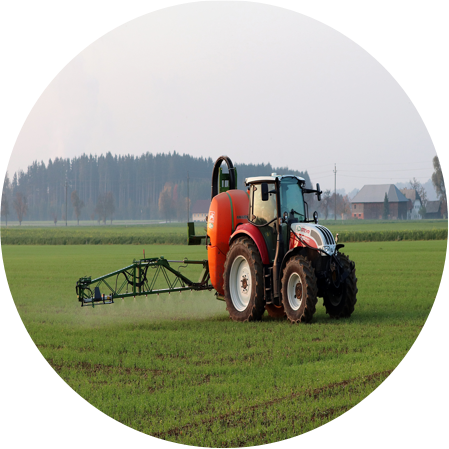
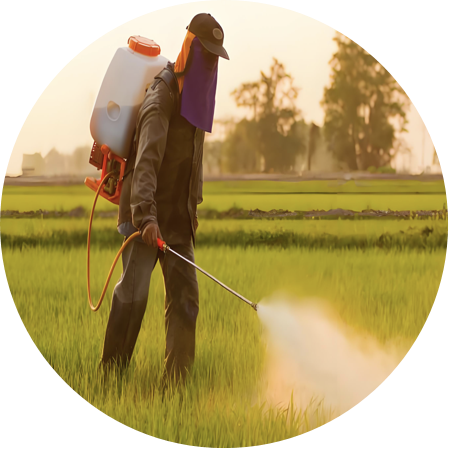

Surfactants and functional chemicals are widely used in agriculture to improve the performance of pesticides, fertilizers, and soil treatment systems. They can act as adjuvants, penetrants, dispersants, emulsifiers, wetting agents, defoamers, and absorption promoters, helping increase pesticide utilization, improve fertilizer efficiency, and support more effective crop production. This positioning matches the current page, which already presents these products as agricultural performance enhancers.
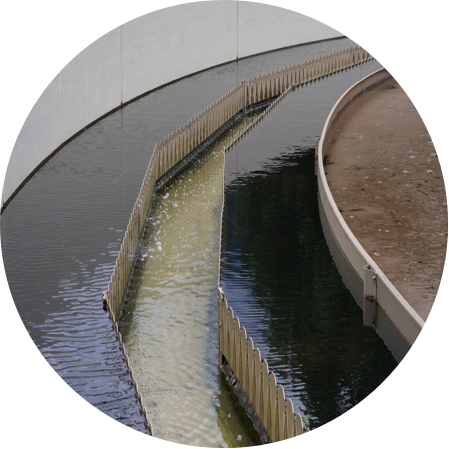
These chemicals also play an important role in environmental protection applications such as wastewater treatment, oil pollution cleanup, soil remediation, and bioremediation support. The current page specifically connects this category to oil dispersants, soil remediation penetrants, metal stabilizers, and bioremediation accelerators.
Pesticide Enhancers / Penetrants
Emulgators
Suspension Aids / Dispersants
Wetting Agents
Defoamers
Fertilizer Penetrants / Absorption Promoters
Fertilizer Dispersants / Solubilizers
Soil Conditioners / Permeability Improvers
Irrigation Defoamers / Anti-overflow Agents
Agricultural Machinery Cleaners / Degreasers
Fungicides / Algaecides
Oil Dispersants / Emulsifiers
Soil Remediation Penetrants / Eluting Agents
Metal Stabilizers / Dispersants
Bioremediation Accelerators
Used in foliar spraying of pesticides, herbicides, and fungicides to reduce surface tension, improve wetting on leaves, fruits, and pest surfaces, and increase penetration and absorption efficiency. The current page also emphasizes preventing spray liquids from rolling off leaves and helping active ingredients pass through waxy cuticles more effectively.
Typical types
Nonionic: alcohol polyether AE / APG
Amphoteric surfactants: betaine
Polyether penetration aids
Used in pesticide emulsifiable oils, oil suspensions, and emulsified concentrate systems to stabilize oil-based formulations, prevent oil-water separation, and support efficacy in storage and application.
Typical types
Nonionic: alcohol polyethers, Tween
Anionic: alkyl sulfates
Used in wet powders, suspension concentrates, and aqueous formulations to keep active ingredients uniformly dispersed and reduce sedimentation or agglomeration.
Typical types
Sulfosuccinate esters
Polycarboxylates
Nonionic emulsifier combinations
Used in foliar and bed spraying to improve spreadability on plant surfaces, increase leaf coverage, and enhance pesticide absorption.
Typical types
Nonionic: APG, alcohol ether
Amphoteric surfactants
Low-foaming nonionic surfactants
Used in high-pressure sprayers, drip irrigation solutions, and fertilizer aqueous systems to reduce foam and maintain stable equipment operation.
Typical types
Silicone oil polyether modified
Mineral oil
Low-foam nonionic surfactants
Used in foliar fertilizers and drip irrigation or spray-applied water-soluble fertilizers to promote penetration of nutrients such as nitrogen, phosphorus, potassium, and trace elements into soil or plant leaves, improving fertilizer use efficiency.
Typical types
Nonionic surfactants
Zwitterionic surfactants
Polyether types
Used in water-soluble chelated fertilizers and trace element foliar sprays to help poorly soluble trace elements form stable solutions or chelates and improve utilization efficiency.
Typical types
Nonionic emulsifiers
Sulfonates
Polycarboxylates
Used in dryland irrigation, nursery systems, and greenhouse soil improvement to enhance water permeability and allow water and fertilizers to enter the root zone more evenly.
Typical types
Nonionic surfactants: fatty alcohol polyethers, APG
Silicone oil-based soil wetting agents
Used in drip irrigation, sprinkler irrigation, and fertilizer solution preparation to control foam in irrigation lines and mixing tanks and support uniform metering and spraying.
Typical types
Silicone oil
Low-foam nonionic polyethers
Used for cleaning sprayers, pipelines, nozzles, and storage tanks to remove oil stains and residual pesticides and reduce cross-contamination risks.
Typical types
Low-foam nonionic surfactants
Anionic emulsifiers
APG
Used in agricultural water treatment and spray system maintenance to control microbial growth in water storage tanks and spray tanks and help prevent algae and biofilm blockage.
Typical types
Quaternary ammonium salt surfactants
Cationic surfactants
Used in marine oil spill emergency response to disperse petroleum and oil stains into finer particles and support biodegradation or recovery.
Typical types
Nonionic alcohol ethers
Sulfonates
APG
Used in remediation of contaminated soils to solubilize organic pollutants such as polycyclic aromatic hydrocarbons and pesticide residues through surfactant micelles and promote cleanup efficiency.
Typical types
Nonionic: Tween, TX series
Anionic: SDS
Used in soils contaminated with lead, cadmium, and mercury to disperse metal ions in soil or sludge and improve the action of chelating or immobilization systems.
Typical types
Anionic polycarboxylates
Chelating surfactants
Used in remediation of petroleum-contaminated soil and groundwater to improve pollutant biodegradability and promote microbial utilization.
Typical types
Biodegradable nonionic surfactants: APG, fatty acid esters
Broad coverage of agricultural and environmental application fields
Functional chemical solutions for pesticide performance, fertilizer delivery, soil wetting, irrigation control, and remediation support
Product options for wetting, penetration, emulsification, dispersion, foam control, cleaning, and bioremediation-related applications
Application-oriented support for spray systems, irrigation systems, soil treatment, and environmental cleanup needs
The current page highlights pesticide enhancers, penetrants, emulgators, wetting agents, dispersants, defoamers, fertilizer penetrants, and soil wetting agents as key agricultural application types.
According to the current page, surfactants reduce surface tension, improve wetting on leaves and fruits, help active ingredients adhere to plant surfaces, and increase penetration through waxy cuticles for better absorption.
The page lists irrigation defoamers and anti-overflow agents for drip irrigation, sprinkler irrigation, and fertilizer-water mixing systems, with silicone oil and low-foam nonionic polyethers among the typical types.
The current page identifies oil dispersants, soil remediation penetrants, metal stabilizers, and bioremediation accelerators for environmental protection applications.
Yes. The page is already structured around both agricultural performance improvement and environmental protection uses, including spray systems, fertilizer delivery, irrigation management, contaminated soil cleanup, and oil pollution treatment.
Looking for the right chemical solution for agricultural performance or environmental remediation?
Contact Sunly Chemistry for product recommendations, technical support, and more information about our agricultural and environmental chemical solutions.
| Image | Product Name | CAS NO | Details |
|---|---|---|---|
 | Trihexadecylmethylammonium Chloride (T1611/TCMAC) CAS 52467-63-7 | 52467-63-7 | View detail » |
 | Decyl Dimethyl Amine Oxide (OA-10) CAS number: 2605-79-0 | 2605-79-0 | View detail » |
 | C12-18 Alkyl Dimethyl (Ethylbenzyl) Ammonium Chloride (C12-18-EB) CAS 68956-79-6 | 68956-79-6 | View detail » |
 | Octyldimethylamine Oxide (ODMAO) | 219-901-5 | View detail » |
 | C8-10 Alkyl Glycosides (APG-0810) CAS 161074-97-1 | 161074-97-1 | View detail » |
 | Trihydroxyethylmethylammonium Methylsulfate (THAMS) CAS 29463-06-7 | 29463-06-7 | View detail » |
 | Hexadecyldimethylbenzylammonium Chloride (1627) | 122-18-9 | View detail » |
 | C12-14 Amine Oxide | 308062-28-4 | View detail » |


