
Views: 0 Author: Site Editor Publish Time: 2026-01-06 Origin: Site
Ever wondered how soap and detergent work so efficiently? The secret lies in surfactants. These powerful agents reduce surface tension, allowing water to interact with oils and grease. In this article, we’ll break down the science behind surfactants and their crucial role in cleaning products. You’ll learn how surfactants work, the different types, and their many applications in everyday life.
A surfactant, short for surface-active agent, is a compound that lowers the surface tension between two substances, such as a liquid and a solid, two liquids, or a liquid and a gas. This action allows for better mixing and spreading. Surfactants are made up of molecules that have two distinct ends: a hydrophilic (water-attracting) head and a hydrophobic (water-repelling) tail. The hydrophilic part is attracted to water, while the hydrophobic tail binds to oils or grease. This dual nature enables surfactants to interact with both water and oil-based substances, making them indispensable for cleaning and emulsifying tasks.
Surfactants help in breaking down grease and oils, making them easier to wash away with water, ensuring more efficient cleaning.
In soaps and detergents, surfactants work by lowering the surface tension of water. When surfactants are added to water, the hydrophilic ends of the molecules are drawn to the water molecules, while the hydrophobic tails bind to oils and dirt. This interaction allows the dirt and oil to be suspended in the water, preventing them from resettling on surfaces. This is what makes surfactants so effective in removing oils, grease, and other contaminants from surfaces.
For example, when soap is added to water, it helps the water penetrate dirt and oils more effectively. The soap molecules surround the grease and form tiny droplets that can then be rinsed away, leaving the surface clean.
Type of Surfactant | Charge | Common Use Case | Example Products |
Anionic | Negative | Cleaning products like detergents | Laundry detergents, dish soaps |
Cationic | Positive | Fabric softeners and conditioners | Hair conditioners, fabric softeners |
Non-ionic | None | Personal care products | Shampoos, body washes |
Amphoteric | Both (+ or -) | Mild products for sensitive skin | Baby shampoo, face cleansers |
Surfactants are the backbone of most household cleaning products, including dishwashing liquids, laundry detergents, and surface cleaners. They are particularly effective in breaking down oils, grease, and other stubborn stains. In dish soaps, for example, the surfactants surround grease particles and break them down, allowing them to be rinsed away with water. Similarly, in laundry detergents, surfactants help break down oils and dirt that are trapped in fabric fibers, making it easier for the detergent to clean the clothes.
Tip: When selecting a cleaning product, look for surfactants that are compatible with the type of stain or dirt you are cleaning. For example, anionic surfactants are great for grease and oils, while non-ionic surfactants are milder and better for delicate surfaces.
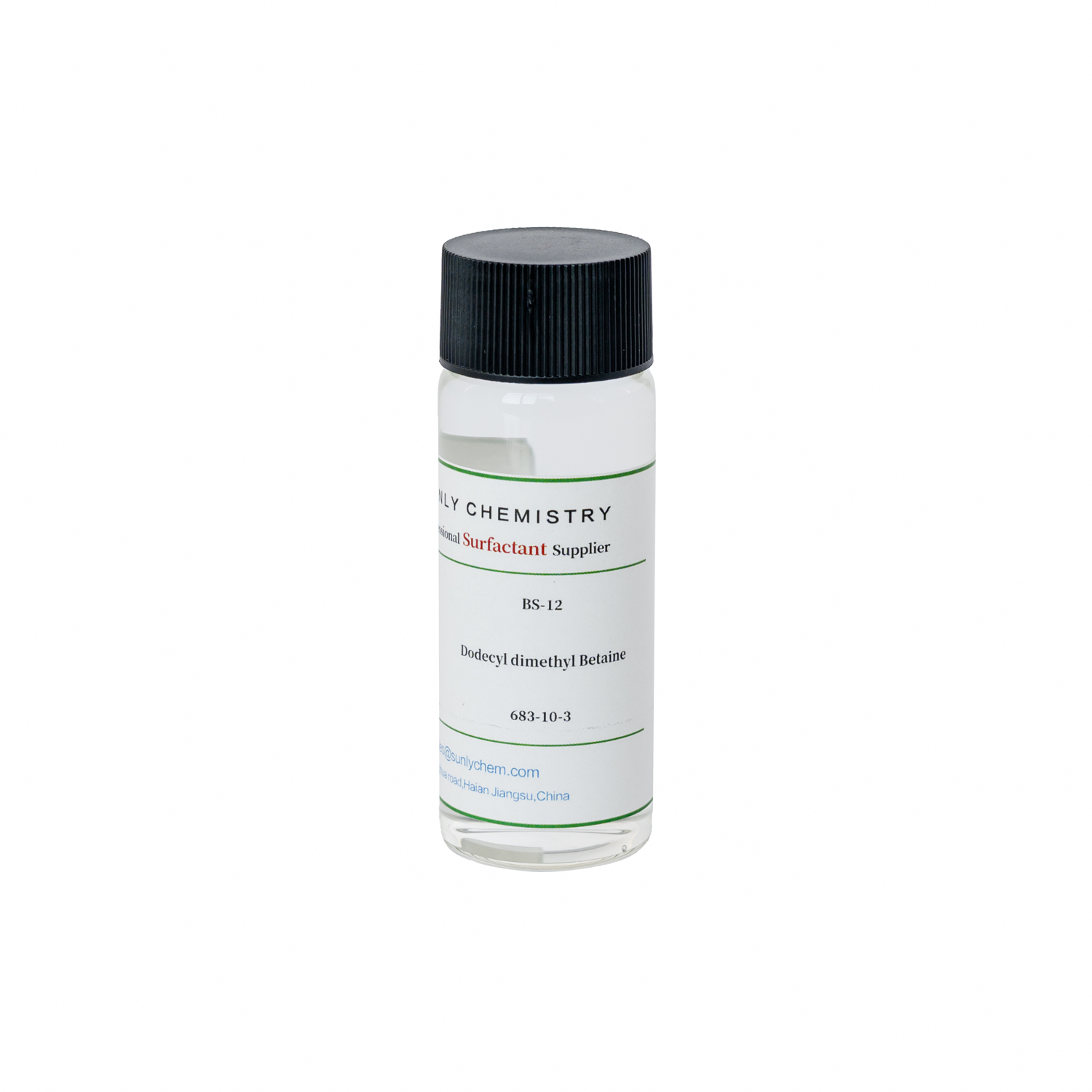
Surfactants are also widely used in personal care products, such as shampoos, body washes, and facial cleansers. In these products, surfactants help emulsify oils and create foam, which aids in cleaning the skin and hair. In shampoos, for instance, surfactants remove oil and dirt from the scalp, while the foam helps to distribute the product evenly. The foaming action also provides a pleasant sensory experience for the user.
In addition to cleaning, surfactants in body washes and face cleansers can help hydrate the skin by forming a barrier that prevents moisture loss. Many personal care products are formulated with milder, non-ionic surfactants to avoid irritating the skin.
Surfactants are not limited to household products; they also play a crucial role in various industrial applications. In the oil and gas industry, surfactants are used to help extract oil from reservoirs by reducing surface tension between water and oil. Surfactants are also used in manufacturing processes, including paint formulation, where they help disperse pigments evenly.
In the textile industry, surfactants are used in detergents to remove oils and stains from fabrics during the washing process. They also help in processes like dyeing and finishing, ensuring uniform color application and fabric texture.
Industry | Application | Surfactant Role |
Cleaning Products | Dishwashing liquid, laundry detergents | Breaks down grease, dirt, and oil |
Personal Care | Shampoos, conditioners, body washes | Emulsifies oils, creates foam, and enhances texture |
Food Processing | Mayonnaise, salad dressings | Creates and stabilizes emulsions |
Industrial | Paints, oil recovery, chemical processes | Disperses pigments, enhances efficiency |
Surfactants lower the surface tension of water by positioning themselves between water molecules. The hydrophilic heads of surfactants interact with the water, while the hydrophobic tails interact with oils and dirt. This reduces the cohesive forces between water molecules, allowing the liquid to spread more easily and to penetrate surfaces. This is the key reason why surfactants make water "wetter," helping it spread and cover a wider area.
In cleaning, this reduced surface tension allows the water to "wet" the surface more effectively, which is essential for removing dirt and grime.
Surfactants are essential for emulsifying oil and water, two substances that usually do not mix. Through their unique structure, surfactants can form stable emulsions by surrounding oil droplets and keeping them suspended in water. This property is crucial in products like salad dressings, where oil and water must stay mixed, and in cosmetic formulations like lotions, where a smooth texture is desired.
Surfactants form micelles, tiny clusters of molecules, with the hydrophobic tails facing inward and the hydrophilic heads facing outward. These micelles encapsulate oil or grease particles, preventing them from separating and ensuring that they can be washed away with water.
Surfactants are responsible for the foam we see in many cleaning and personal care products. The hydrophobic tails of surfactants trap air, creating bubbles that form the foam. This foam is not only visually appealing but also helps in cleaning by increasing the surface area available for action, making it easier to remove dirt and grease.
In addition to foam, surfactants have wetting properties that allow liquids to spread more evenly on surfaces. This is important in cleaning applications, as it ensures that the liquid reaches all areas of the surface, improving cleaning efficiency.
Surfactants are widely recognized for their ability to enhance the efficiency of cleaning products. Their primary function—reducing surface tension—enables water to spread more easily over surfaces and penetrate grime, grease, and dirt. This helps in lifting and suspending particles, allowing them to be removed more effectively. In both domestic and industrial settings, surfactants make the cleaning process quicker and more efficient. For example, in commercial kitchens, where grease buildup is a constant challenge, surfactants help dishwashing detergents break down oils, cutting through grease much faster than plain water. This is crucial in industries where cleaning large surfaces or tackling tough stains, such as in the automotive or food processing sectors, is a daily requirement.
Surfactants are incredibly versatile, used in everything from household cleaning products to industrial applications. Whether it’s removing grease from kitchen countertops or helping to extract oil in the petroleum industry, surfactants perform a wide range of tasks. This adaptability makes them indispensable in various industries, including textiles, agriculture, and pharmaceuticals.
As surfactants are widely used, it’s essential to consider their environmental impact. Many traditional surfactants can be harmful to aquatic life and may persist in the environment. However, recent advancements have led to the development of biodegradable surfactants that break down more easily and have less of an environmental impact.
Tip: When selecting surfactants for eco-friendly products, look for those that are biodegradable and certified to be safe for aquatic life.
Surfactants are essential in soaps and detergents, enabling effective cleaning by lowering surface tension. Sunly Chemistry offers high-performance surfactants that enhance cleaning efficiency and ensure sustainability. Their products are designed to meet the growing demand for eco-friendly and effective cleaning solutions.
A: A surfactant is a compound that lowers the surface tension between two substances, such as water and oil, helping them mix more easily.
A: Surfactants in soaps and detergents reduce surface tension, allowing water to penetrate grease and dirt, making it easier to clean surfaces.
A: Surfactants help break down oils and grease, improving the efficiency of cleaning products and ensuring better dirt removal.
A: Common types include anionic, cationic, non-ionic, and amphoteric surfactants, each with specific uses based on their properties.
A: Some surfactants are biodegradable, but the environmental impact depends on the type. Biodegradable surfactants are more eco-friendly.


