
Views: 0 Author: Site Editor Publish Time: 2026-02-06 Origin: Site
Ever wonder why some Surfactants clean fast while others stay stable in hard water? The answer lies in ionic vs non-ionic systems. In this article, we explore how these Surfactants differ in performance, compatibility, and real-world use, so you can choose smarter for your next formulation.
Surfactants are chemicals that help water interact with oil, dirt, and solid surfaces. On its own, water stays tightly bonded, so it cannot clean or spread well. When we add Surfactants, they reduce surface tension and allow liquids to lift grease, mix immiscible materials, and keep particles evenly dispersed.
From a customer perspective, surfactants directly shape how a product performs.
In real products, surfactants usually handle several jobs at once:
● Soil removal. They attach to oils and dirt, then keep them suspended in water so they rinse away instead of redepositing. This matters for detergents and industrial cleaners where repeatable performance is critical.
● Emulsifying liquids. They help oil and water stay mixed, improving stability in creams, sprays, and chemical solutions. This also extends shelf life and visual consistency.
● Wetting surfaces. They help liquids spread instead of beading up, improving coverage on skin, fabrics, or hard materials and making active ingredients work better.
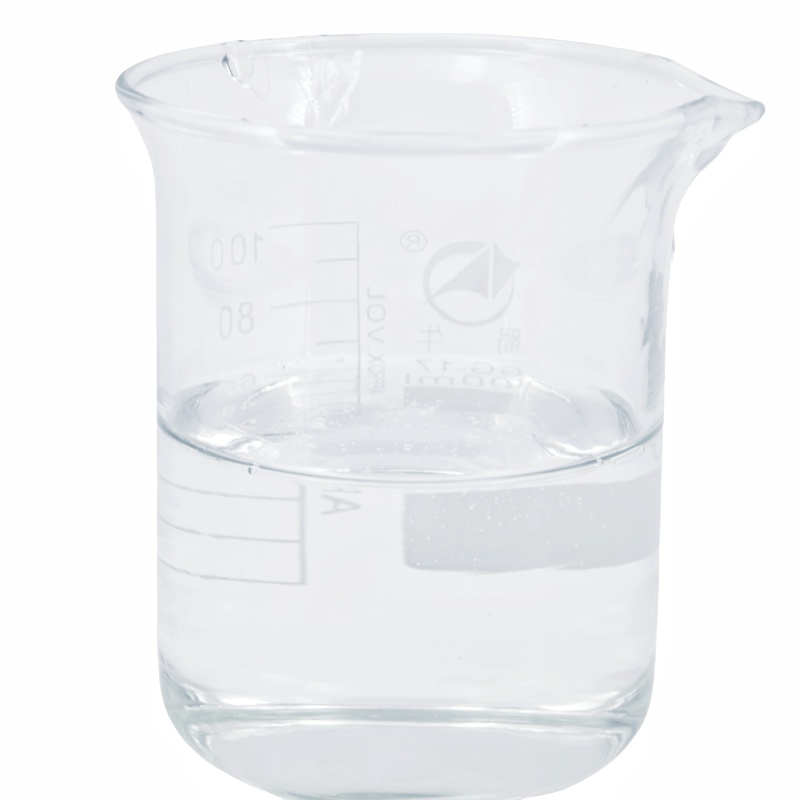
Every surfactant molecule has two parts: a water-loving head and an oil-loving tail. When placed in liquid, they naturally move to interfaces or form tiny clusters called micelles. Inside these structures, oily dirt becomes trapped, allowing water to carry it away.
The key difference between ionic and non-ionic surfactants starts right here. Ionic types carry electrical charges, while non-ionic ones stay neutral. That small molecular detail changes foaming, stability, and compatibility in finished products.
Ionic Surfactants carry an electrical charge in water, which gives them strong interaction with dirt, fibers, skin, and solid surfaces. This charge-driven behavior explains why they dominate cleaning, conditioning, and many specialty applications. In practical sourcing, buyers often combine ionic systems with non-ionic ones to balance strength and stability.
Formulators rely on anionic surfactants because they provide:
● High detergency. They break down heavy soils fast, even on hard surfaces. This improves cleaning speed in both home and industrial environments. It also supports consistent results across repeated wash cycles.
● Strong foaming power. Foam helps users see cleaning action and improves wetting. In many products, it also enhances perceived effectiveness during use.
● Cost-effective performance. They deliver strong cleaning at relatively low dosage, which helps control formulation cost while keeping output stable.
Typical application areas look like this:
Application Area | Role of Anionic Surfactants |
Household cleaning | Removal of grease and everyday dirt |
Industrial degreasing | Heavy soil lifting on machinery and floors |
Laundry formulations | Fabric cleaning and stain dispersion |
Because they depend on electrical charge, anionic surfactants can react with minerals in hard water or conflict with cationic ingredients. Many manufacturers offset this by blending them with non-ionic surfactants to improve stability.
Cationic surfactants carry a positive charge, so they naturally attach to negatively charged surfaces like hair, fabric, and many solids. This surface affinity changes their role. Instead of focusing on cleaning, they condition, protect, and modify surfaces.
They bring several functional advantages:
● Conditioning effects. They coat fibers or hair, improving softness and manageability. This also reduces static buildup in textiles and finished products.
● Antimicrobial potential. Their interaction with microbial membranes supports hygiene-focused formulations. This makes them valuable in specialty cleaning and surface treatment systems.
● Targeted surface action. They stay where applied, which helps deliver long-lasting effects on treated materials.
Common uses across industries include:
Industry | Typical Function of Cationic Surfactants |
Textiles | Softening, antistatic finishing |
Personal care | Hair conditioning and feel enhancement |
Specialty formulations | Surface treatment and microbial control |
Non-ionic Surfactants are surface-active agents that carry no electrical charge in water. Instead of relying on positive or negative ions, they use neutral hydrophilic groups to interact with water, while their hydrophobic tails bind oils and non-polar materials. This structure makes them very different from ionic surfactants, which depend on charged head groups to perform.
From a formulation standpoint, this neutral design gives them wider tolerance across pH ranges and processing environments.
In practical use, non-ionic surfactants help products:
● Stay stable even when water quality changes. They do not easily react with minerals, so performance remains consistent. This reduces batch variability and helps maintain product appearance over time.
● Blend smoothly with other surfactant types. They work well alongside anionic or cationic systems, which simplifies formulation design. This also allows brands to fine-tune foam, cleaning strength, and mildness.
● Deliver controlled performance instead of aggressive action. Many formulators choose them when they need balanced cleaning, gentle skin feel, or low-foam behavior.
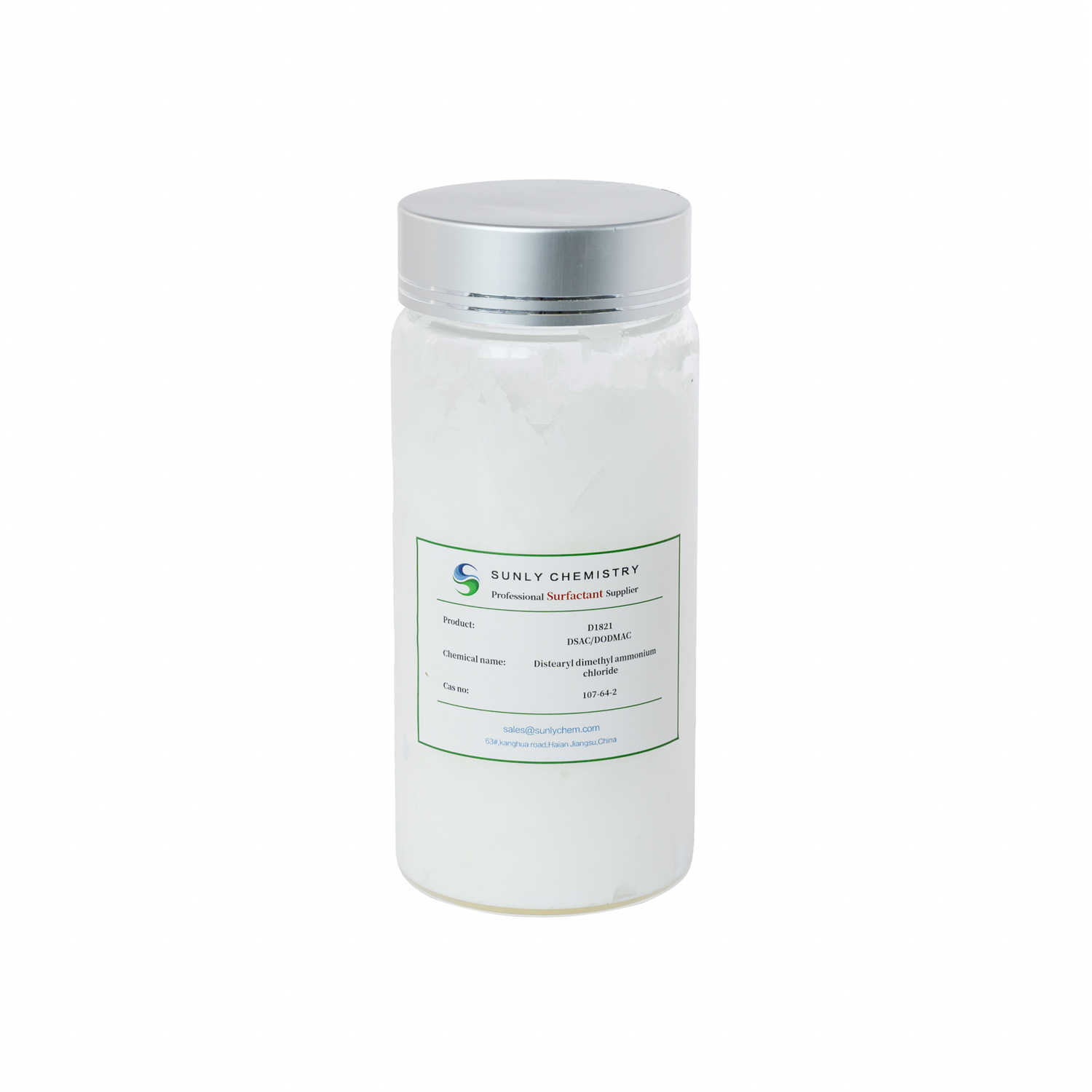
Non-ionic surfactants are often selected because they offer reliability across demanding conditions. Their molecular neutrality gives them advantages in hard water, electrolyte-rich systems, and temperature-sensitive processes. Buyers usually look at the following core properties when evaluating non-ionic surfactants:
Property | Practical Meaning | Benefit in Products |
Hard water stability | Not easily affected by calcium or magnesium | Consistent cleaning and emulsification |
Electrolyte resistance | Remains active in salty or alkaline systems | Reliable industrial performance |
Low irritation potential | Gentler on skin and surfaces | Suitable for personal care |
Broad compatibility | Mixes well with other ingredients | Flexible formulation design |
These features make non-ionic surfactants easier to process and more forgiving during manufacturing. They also help reduce reformulation risk when raw materials or operating conditions change.
Formulators also value non-ionic surfactants because:
● They allow precise control over emulsification and wetting. This helps maintain uniform texture in creams, liquids, and coatings. It also supports better distribution of active ingredients.
● They typically generate moderate or low foam. This is useful in automated cleaning systems and industrial processes where excessive foam becomes a problem. It also improves rinsability in many applications.
● They adapt well to custom specifications. Producers can adjust molecular structures to match specific viscosity, solubility, or stability targets.
Because of their neutrality and versatility, non-ionic surfactants appear in many sectors. They support both everyday consumer products and specialized industrial formulations, often acting as the backbone of multi-surfactant systems.
Here is a simplified view of where they are most commonly applied:
Industry | Typical Roles of Non-Ionic Surfactants |
Personal care | Mild cleansing, emulsification, texture control |
Food processing | Cleaning-in-place systems, equipment sanitation |
Agriculture | Spray wetting, active ingredient dispersion |
Pharmaceuticals | Solubilization, formulation stability |
Industrial systems | Degreasing, low-foam cleaning, surface treatment |
Ionic surfactants rely on electrical charge to interact strongly with dirt and surfaces. Non-ionic surfactants stay neutral, so they perform more evenly across changing environments. This structural difference shows up clearly during use:
● Cleaning power. Ionic surfactants, especially anionic types, remove grease fast and handle heavy soils well. Non-ionic surfactants clean more gently, yet maintain steady performance even in hard water or alkaline systems.
● Foam behavior. Ionic surfactants usually create richer foam, which supports visual cleaning feedback. Non-ionic surfactants tend to generate moderate or low foam, which helps in automated or industrial processes where excess foam becomes a problem.
● Stability under stress. Non-ionic surfactants tolerate temperature shifts, electrolytes, and water hardness better. Ionic surfactants may lose efficiency or interact with minerals, so they often need formulation support.
Here is a simplified performance comparison buyers often use:
Feature | Ionic Surfactants | Non-Ionic Surfactants |
Detergency | Strong, fast soil removal | Moderate but consistent |
Foaming | High to medium | Low to medium |
Hard water tolerance | Limited | High |
Electrolyte resistance | Sensitive | Stable |
In many applications, manufacturers combine both types to get strong cleaning from ionic surfactants and operational stability from non-ionic surfactants.
From a sourcing perspective, teams also look at processing impact:
● Ionic surfactants deliver quick action but may need water quality control. This adds operational steps in large-scale production.
● Non-ionic surfactants simplify batching and storage because they stay reliable across broader conditions. This helps reduce rework and formulation drift.
● Ionic surfactants require careful pairing. Anionic and cationic types neutralize each other if used incorrectly, which can reduce cleaning efficiency or cause separation.
● Non-ionic surfactants act as “bridges.” They connect different ingredient systems, improving emulsion stability and texture while reducing sensitivity to pH or minerals.
● Hybrid formulations benefit from both. Many buyers use non-ionic surfactants to soften ionic behavior, control foam, and improve shelf life.
Typical formulation roles look like this:
Formulation Need | Preferred Surfactant Type |
Heavy-duty cleaning | Ionic (often anionic) |
Low-foam industrial systems | Non-ionic |
Multi-ingredient blends | Non-ionic as stabilizer |
Surface conditioning | Cationic |
● Pricing tendencies. Ionic surfactants generally deliver lower upfront cost per kilogram, but may require water treatment or formulation adjustments. Non-ionic surfactants cost more initially, yet they reduce instability caused by hard water or electrolytes, which lowers operational waste.
● Processing requirements. Ionic systems can be sensitive to minerals or pH swings, adding steps during mixing. Non-ionic surfactants process more smoothly and tolerate temperature variation, helping factories maintain steady output.
● Customization potential. Many buyers request tailored HLB values, viscosity ranges, or solubility profiles. Custom surfactants help align performance with brand positioning and application needs.
● Production consistency. Stable quality matters. Inconsistent batches affect foam, texture, and cleaning strength, which creates downstream complaints.
A simplified sourcing comparison often looks like this:
Buyer Concern | Ionic Surfactants | Non-Ionic Surfactants |
Raw material cost | Lower | Moderate |
Processing stability | Sensitive to conditions | Highly tolerant |
Custom formulation | Limited by charge | Flexible |
Batch consistency | Needs tighter control | Easier to maintain |
Beyond chemistry, supply chain reliability also matters. Buyers prefer manufacturers who support technical communication, application testing, and scalable production so growth does not disrupt product quality.
Choosing the right surfactants starts with defining your end goal. Cleaning products, personal care formulas, and industrial systems all demand different performance balances. Instead of selecting by type alone, many teams build a decision framework around use conditions and market expectations.
Here is how experienced buyers usually approach selection:
● Start from end-use needs. Heavy soil removal favors ionic surfactants. Mild cleansing or low-foam systems often rely on non-ionic surfactants. Surface conditioning usually points toward cationic options.
● Check regulatory and safety requirements. Some markets demand low irritation or specific biodegradability levels. Non-ionic surfactants often support gentler formulations and broader compliance.
● Evaluate environmental conditions. Hard water, temperature swings, or high electrolyte content push formulators toward non-ionic surfactants for stability. Controlled environments allow greater use of ionic systems.
● Match product positioning. Premium personal care products lean toward mildness and texture, while industrial cleaners prioritize strength and speed.
Many buyers also follow a simple practical checklist:
Selection Step | What to Verify |
Application target | Cleaning, conditioning, or emulsification |
Process conditions | pH, temperature, water hardness |
Compatibility | Other surfactants and additives |
Supply support | Customization, testing, consistency |
This guide compared ionic and non-ionic Surfactants in performance, stability, and formulation use. Ionic types deliver strong cleaning and foam, while non-ionic options bring flexibility and tolerance across harsh conditions.
Sunly Chemistry supports customized Surfactants for personal care and industrial systems, offering stable supply, formulation support, and reliable quality to help buyers build efficient, market-ready products.
A: Surfactants reduce surface tension, helping water clean, mix oils, and disperse dirt.
A: Ionic Surfactants carry charge; non-ionic stay neutral and resist hard water.
A: Ionic Surfactants clean faster; non-ionic Surfactants stay stable in tough conditions.
A: Yes. Non-ionic Surfactants improve compatibility in mixed formulations.
A: Prices vary. Ionic Surfactants cost less upfront; non-ionic Surfactants cut processing risk.


