
Views: 0 Author: Site Editor Publish Time: 2026-02-06 Origin: Site
Ever wondered why some products foam fast while others feel creamy? It all starts with Surfactants. In this article, we explore The Foaming Potential of Surfactants, showing how foam forms, what affects stability, and how you can choose the right systems for real applications.
Surfactants change how water behaves at its surface. Normally, water molecules pull tightly together, which makes it difficult for air to enter. When Surfactants are added, they move to the air–water interface and weaken this attraction, allowing air to mix into the liquid more easily. This is the true starting point of foam creation, and it explains why plain water barely bubbles while a surfactant solution foams quickly during shaking, pumping, or stirring.
During this initial foaming phase, several things usually happen at the same time:
● Surfactant molecules rearrange themselves at the surface.Their water-loving heads face the liquid, while their oil-loving tails point toward air, which weakens surface tension and makes bubble formation easier.This molecular alignment is essential for turning dispersed air into visible foam.
● Air becomes trapped inside the liquid during movement.Mixing or agitation pulls air into the solution, and Surfactants help hold it there long enough to form bubbles.That trapped air becomes the foam users see and feel.
● Foam volume increases until a balance point is reached.Near this point, bubble surfaces are fully covered by Surfactants.Adding more surfactant beyond this stage usually brings little extra foam.
Step | Physical Change | Practical Effect |
Surface tension drops | Water becomes easier to penetrate | Air enters liquid |
Air disperses | Bubbles form | Foam appears |
Interface saturates | Bubble surfaces fill | Foam reaches peak |
Once bubbles form, Surfactants immediately surround them and create thin protective films. These films act like flexible skins, slowing liquid drainage and preventing neighboring bubbles from merging too quickly. Without this protection, foam would disappear almost as fast as it appears, which is why stabilization is just as important as foam generation.
Key influences on bubble stability include:
● Surfactant structure and elasticity.
Some molecules form firm, elastic films that resist collapse, while others create softer layers that break more easily.This directly impacts how long foam lasts during use.
● Concentration and ingredient balance.
Too little Surfactant leads to weak films, while too much mainly forms micelles instead of reinforcing bubbles.Blending multiple Surfactants often produces better overall stability.
● Formulation conditions such as temperature and water hardness.
Heat and dissolved minerals can accelerate foam breakdown.Adjusting formulations helps compensate for these effects.
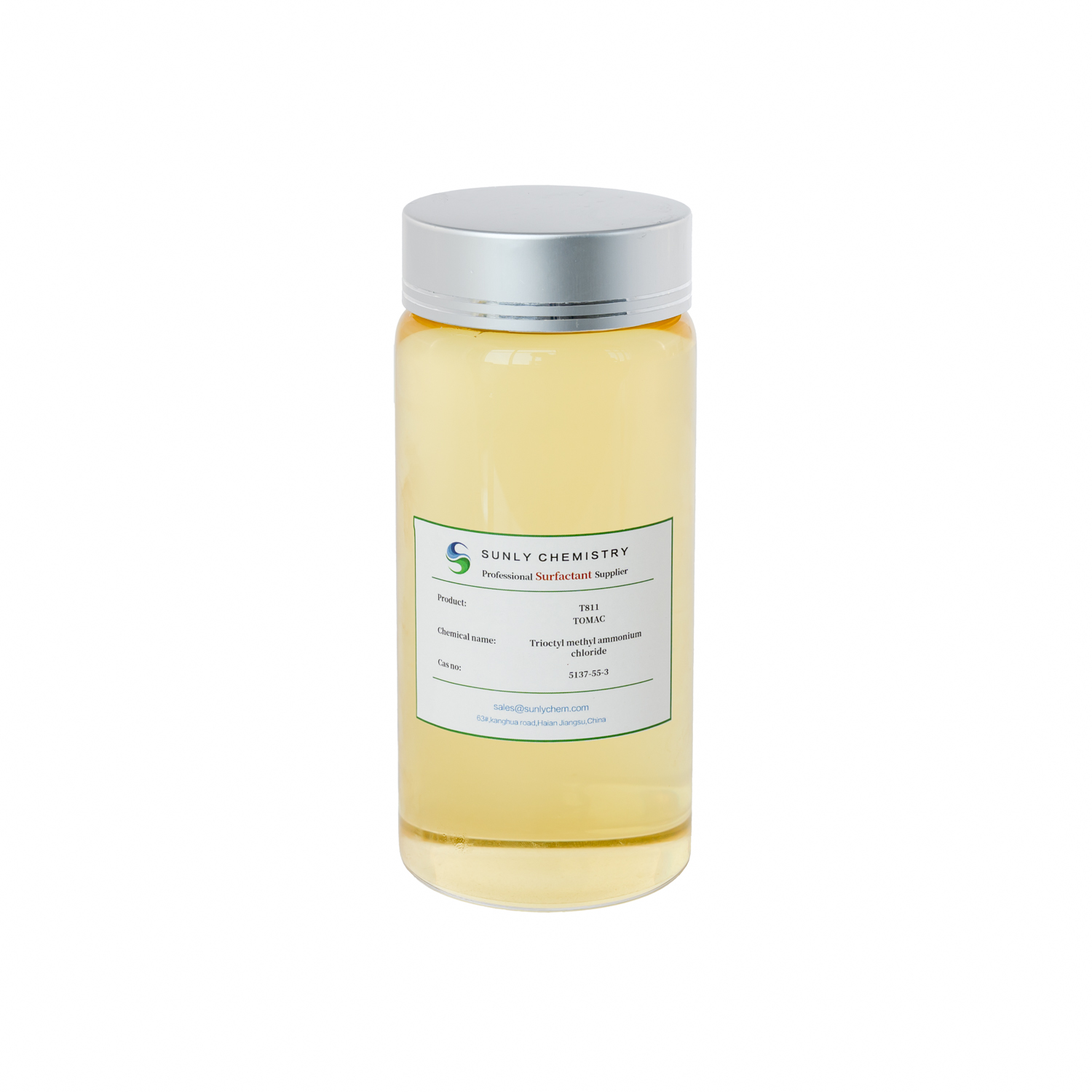
Foam behavior changes fast as Surfactants increase in a formula. At low levels, there are not enough molecules to fully cover bubble surfaces, so foam looks weak and disappears quickly. As concentration rises, Surfactants spread across the air–water interface, helping bubbles form and stay separated. Near the Critical Micelle Concentration (CMC), most bubble surfaces become saturated, and foam volume usually reaches its practical peak.
After CMC, extra Surfactants mainly build micelles inside the liquid instead of strengthening foam.
Typical concentration effects look like this:
Surfactant Level | Interfacial Behavior | Foam Result |
Below CMC | Incomplete surface coverage | Low foam, quick collapse |
Near CMC | Interface saturated | Maximum practical foam |
Above CMC | Micelles dominate | Little extra foam gain |
Not all Surfactants behave the same, even at identical concentrations. Several structural elements matter at once:
● Head groups decide interaction strength.Ionic heads create electrostatic repulsion between bubbles, while nonionic heads rely more on physical spacing.Both approaches help slow bubble merging in different ways.
● Tail length controls packing density.Longer tails often form stronger interfacial films, but they may reduce solubility.Shorter tails dissolve easily but sometimes create weaker foam.
● Molecular symmetry affects bubble uniformity.Well-balanced structures tend to produce smaller, more even bubbles.Irregular shapes can lead to faster drainage and uneven foam texture.
Environmental conditions also reshape foam performance. As temperature rises, liquid viscosity drops and drainage speeds up, so foam may disappear faster. pH shifts can change how Surfactants ionize, which alters adsorption strength at bubble surfaces. Dissolved salts further complicate this by compressing electrical layers around bubbles, reducing repulsion and encouraging collapse.
These variables influence everyday applications more than many expect:
● Higher temperatures often shorten foam life during industrial washing.
● Extreme pH can weaken interfacial films or change surfactant activity.
● Elevated ionic strength may reduce stability, even if foam forms quickly.
Hard water introduces calcium and magnesium ions, which interfere directly with Surfactants. These minerals bind to active molecules, reduce surface coverage, and weaken bubble films. The result often looks like slower foaming, larger bubbles, or rapid collapse, especially in soap-based systems.
Formulators manage hard-water challenges through several strategies:
● Selecting Surfactants less sensitive to divalent ions.Nonionic systems often perform better when mineral levels rise. Blends help recover lost foam.
●Adding chelating agents.They capture calcium and magnesium before those ions deactivate Surfactants.This restores surface activity and improves consistency.
● Adjusting overall formulation balance.Small changes in ratios can noticeably improve foam stability.
High-foaming Surfactants are designed for fast bubble generation and large foam volume. They are widely used in detergents and industrial cleaners because users often associate visible foam with cleaning strength. When surfaces carry heavy soil or grease, quick foam formation helps spread active ingredients and improves contact time across wide areas.
In real applications, these Surfactants are chosen when speed matters and performance must be obvious:
● They generate foam rapidly during agitation or spraying.
This helps loosen dirt early in the cleaning process and signals effectiveness to operators.
● It also improves coverage on vertical or uneven surfaces.They support aggressive soil removal.
High foam keeps actives suspended longer, allowing oils and particles to lift away more easily.
This is why they dominate in laundry, car wash, and industrial degreasing.
Feature | High-Foaming Systems | Typical Use |
Foam volume | Very high | Heavy-duty cleaning |
Foam speed | Fast | Industrial washing |
Visual impact | Strong | Detergents, car care |
Not every product needs explosive foam. In personal care and cosmetics, softer and more controlled foaming Surfactants are preferred. These systems focus on comfort, texture, and stability rather than sheer volume, which matters when products touch skin or hair every day.
They typically offer several advantages at once:
● Gentler interaction with skin and scalp.
Foam feels smoother, less drying, and more pleasant during use.This makes them suitable for shampoos, facial cleansers, and body washes.
● Better formulation flexibility.
They tolerate fragrances, conditioners, and botanical extracts more easily.Foam remains stable even in complex cosmetic recipes.
● Improved foam texture control.
Instead of big bubbles, they produce creamy or fine foam.Users perceive this as higher quality.
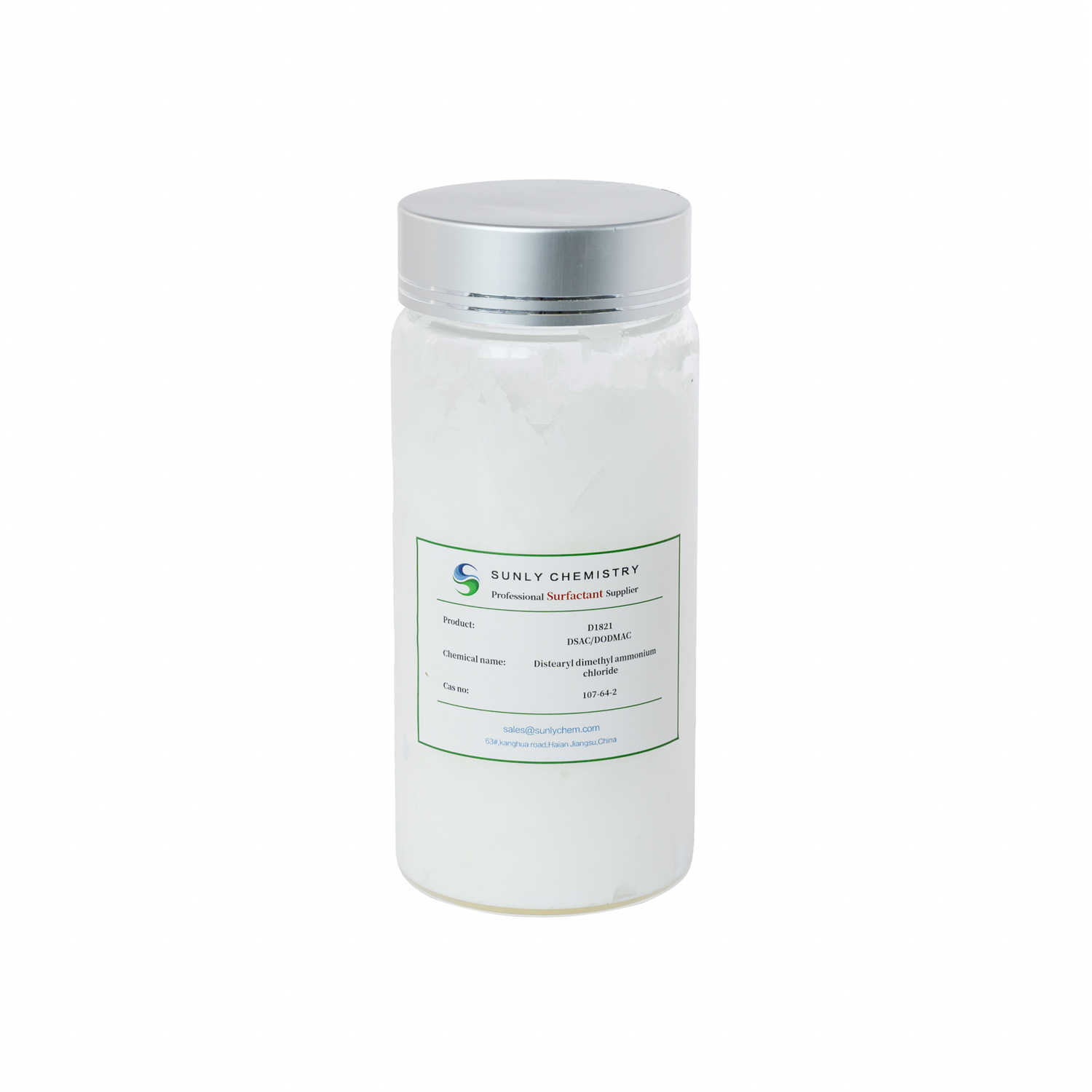
Most modern products rely on blends rather than single Surfactants. By combining different types, formulators can adjust foam height, durability, conditioning, and compatibility at the same time. One ingredient may boost volume, while another improves stability or adds surface benefits.
Blended systems allow teams to tailor performance for very specific needs:
● Foam height can be raised or softened.
This helps match customer expectations across different markets.It also supports diverse application methods like spraying or pumping.
● Stability can be extended without making foam too dense.
This improves rinse behavior and prevents residue.It also keeps bubbles alive long enough to do their job.
● Conditioning or specialty functions can be added.
Some Surfactants enhance feel or provide antimicrobial support.Others improve compatibility in hard water or high-salt systems.
Foaming Surfactants show up across many industries, but each one expects a different foam behavior. In personal care, users want soft bubbles that feel smooth on skin and hair. In household and industrial cleaning, they look for fast, visible foam that spreads quickly and keeps actives on the surface longer. Food processing and technical foams focus more on control, because too much foam can interrupt production.
Typical application priorities include:
● Personal care and cosmetics
Foam helps distribute product evenly and improves sensory feel. People notice texture first, not volume. Stability matters more than height here.
● Household and industrial cleaning
High foam signals power and keeps cleaners in contact with dirt. It also supports vertical surfaces during spraying or brushing.
● Food processing and technical foams
Controlled foam supports texture or process efficiency. Excess foam becomes waste, so balance stays critical.
Application Area | Main Foam Goal | Why It Matters |
Personal care | Soft, stable foam | Comfort and product feel |
Household cleaning | Fast, visible foam | Perceived cleaning power |
Industrial cleaning | Durable foam | Longer surface contact |
Food / technical | Controlled foam | Process stability |
Selecting Surfactants always starts by defining what foam must achieve.A practical decision path often looks like this:
● Set clear foam targets early
Decide if the priority is volume, creaminess, or stability. Each target points toward a different Surfactant strategy and blend.
● Check compatibility inside the formula
Surfactants must work well alongside fragrances, conditioners, and actives. Poor matching often leads to weak or unstable foam.
● Test under real conditions
Temperature and water hardness change foam behavior. Running trials in actual use environments avoids surprises after launch.
Surfactants play a central role in how foam forms, feels, and performs, shaping bubble creation, stability, and texture across real products. Sunly Chemistry supports these needs through flexible Surfactants solutions, helping brands improve foam consistency, product efficiency, and overall user experience in personal care, household, and industrial applications.
A: The foaming potential of Surfactants refers to their ability to create bubbles quickly and keep foam stable during use, which directly affects cleaning efficiency, product feel, and overall user experience.
A: Near CMC, Surfactants fully cover bubble surfaces, allowing strong foam formation, while excess Surfactants mainly form micelles and no longer improve foam height or stability.
A: Surfactants control bubble size, softness, and durability through molecular structure, concentration, and formulation conditions, which explains why some foams feel creamy while others look light and airy.
A: Minerals in hard water bind to Surfactants, weaken interfacial films, and speed bubble collapse, so formulators often adjust blends or add chelators to restore foam performance.
A: Buyers should match Surfactants to foam height, texture, stability, ingredient compatibility, and real operating conditions like temperature or water hardness to achieve consistent results.


