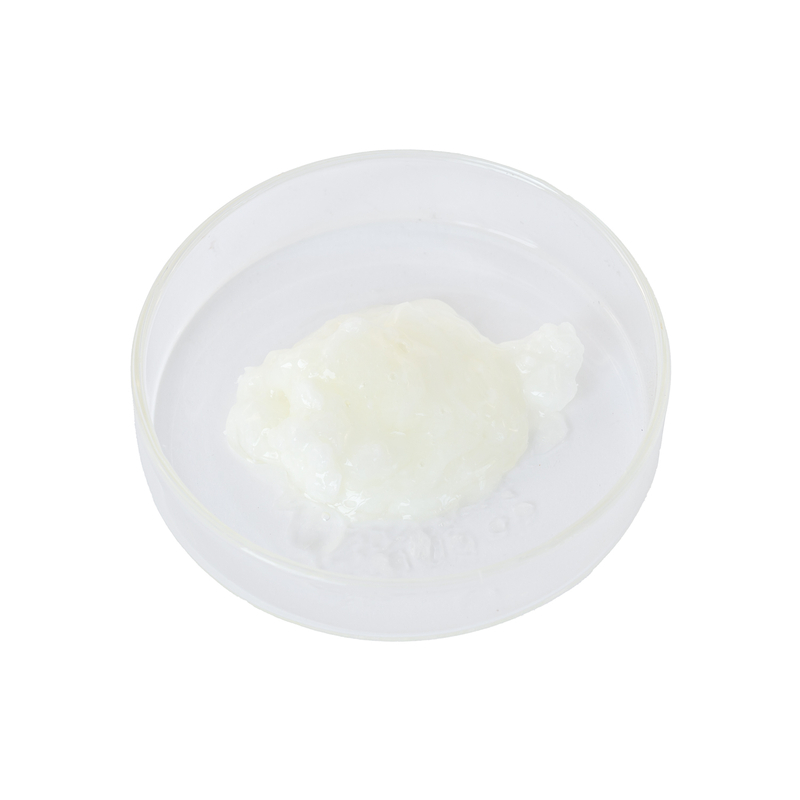
Have you ever wondered what makes your cleaning products so effective? The secret often lies in surfactants like MES surfactant.
In this article, we’ll explore what MES surfactant is and why it’s essential in cleaning applications. You’ll learn about its chemical composition, performance characteristics, and environmental impact.
Methyl Ester Sulfonate (MES) is an anionic surfactant derived from natural fatty acids, primarily sourced from palm or coconut oil. Its molecular structure is pivotal to its effectiveness as a cleaning agent. The backbone of MES comprises a fatty acid methyl ester, which is attached to a sulfonate group. This unique configuration allows MES to interact effectively with both water and oily substances, making it highly efficient in removing dirt and grease.
The sulfonate group is crucial because it enhances the surfactant's ability to lower the surface tension of water, facilitating the wetting process. This property is essential in various applications, including laundry detergents and household cleaners, where effective soil removal is paramount. The overall molecular formula for MES is C17H33COOCH3SO3Na, which indicates a well-balanced structure optimized for performance.
The chemical formula of MES highlights its composition: it consists of a methyl ester derived from fatty acids, linked to a sulfonate group. This structure contributes to several beneficial properties:
Detergency: MES demonstrates superior detergency, enabling it to break down and suspend dirt and oils in water. This makes it ideal for use in cleaning products, where effective soil removal is essential.
Compatibility with Hard Water: Unlike traditional surfactants, MES maintains its effectiveness in hard water conditions. Its ability to resist precipitation from calcium and magnesium ions allows it to perform well in various water qualities.
Biodegradability: MES is known for its high biodegradability, making it an environmentally friendly choice compared to synthetic surfactants. This property is increasingly important as consumers demand greener cleaning solutions.
Low Toxicity: MES exhibits low aquatic toxicity, reducing the environmental impact associated with its use. This aligns with the growing trend towards sustainable and safe cleaning products.
The physical form of MES can vary, appearing as flakes, powders, or pastes, depending on the specific application. Each form offers unique advantages in terms of handling and incorporation into formulations. For example, powders can be easily blended into detergent formulations, while flakes may be preferred for bulk storage.
In summary, the chemical composition of MES surfactant plays a vital role in its performance as a cleaning agent. Its molecular structure, combined with favorable properties like detergency, compatibility with hard water, biodegradability, and low toxicity, positions MES as a leading choice in the surfactant market.
Methyl Ester Sulfonate (MES) is renowned for its exceptional detergency, which is a critical factor in cleaning applications. It effectively breaks down and suspends dirt, grease, and oils in water, leading to superior soil removal. This is particularly important in both household and industrial cleaning products where the goal is to achieve a high level of cleanliness.
The mechanism of action for MES involves its unique molecular structure, which allows it to interact with both water and oily substances. When MES is mixed with water, it reduces the surface tension, enabling it to penetrate and lift away contaminants from surfaces. This property makes it highly effective in laundry detergents, dishwashing liquids, and various household cleaners. Studies have shown that MES can outperform traditional surfactants like Linear Alkyl Benzene Sulfonate (LABS) in terms of cleaning efficacy, especially in challenging conditions.
Moreover, MES maintains its cleaning power even at lower temperatures, making it suitable for cold wash cycles. This not only saves energy but also protects fabrics from damage caused by high heat. The ability to function effectively across a range of temperatures is a significant advantage for both manufacturers and consumers.
Another remarkable performance characteristic of MES is its compatibility with hard water. Hard water contains high levels of calcium and magnesium ions, which can interfere with the effectiveness of many surfactants. In contrast, MES shows excellent stability in hard water conditions. It does not precipitate with calcium and magnesium ions, allowing it to maintain its detergency and cleaning performance.
This attribute is particularly beneficial in regions where hard water is common. Products formulated with MES can deliver consistent cleaning results without the need for additional water softeners. This not only simplifies the formulation process for manufacturers but also enhances the user experience by providing reliable performance regardless of water quality.
In summary, MES surfactant stands out for its superior detergency and compatibility with hard water. These performance characteristics make it a preferred choice in various cleaning applications, ensuring effective soil removal while maintaining product stability in diverse water conditions.
Methyl Ester Sulfonate (MES) is increasingly popular in household cleaning products due to its powerful cleaning capabilities and eco-friendly profile. Its unique molecular structure allows it to effectively remove dirt, grease, and stains, making it a preferred choice for laundry detergents, dishwashing liquids, and multi-surface cleaners.
In laundry applications, MES enhances the cleaning process by breaking down and suspending soil particles in water. This leads to cleaner fabrics without the harshness associated with traditional surfactants. Its effectiveness at lower temperatures also means it can be used in cold wash cycles, providing energy savings while protecting delicate materials.
Moreover, MES is often combined with other surfactants like Sodium Lauryl Ether Sulfate (SLES) to create synergistic effects, improving overall cleaning performance. This compatibility allows manufacturers to formulate products that cater to diverse consumer needs, from tough stain removers to gentle fabric cleaners.
Beyond household use, MES finds significant applications in various industrial settings. Its high detergency and compatibility with hard water make it suitable for industrial cleaning agents and formulations used in sectors such as textiles, agriculture, and food processing.
In the textile industry, MES is utilized to clean and prepare fabrics for dyeing, ensuring that dyes adhere properly and evenly. It acts as an emulsifier and dispersant, improving the quality of the final product. Additionally, in agriculture, MES is used as a wetting agent and dispersant in pesticide formulations, enhancing the effectiveness of active ingredients.
Food processing industries also benefit from MES, where it serves as a cleaning agent for equipment and surfaces, ensuring hygienic conditions without leaving harmful residues. Its low toxicity and biodegradability align well with the increasing demand for safe and environmentally friendly industrial cleaning solutions.
MES exhibits excellent compatibility with a range of other surfactants, making it a versatile ingredient in formulation chemistry. It works well alongside anionic, cationic, and nonionic surfactants, allowing formulators to create products that leverage the strengths of each component.
For instance, combining MES with SLES can enhance foaming properties while maintaining effective cleaning power. Similarly, when paired with enzymes, MES can improve stain removal capabilities, particularly in laundry applications. This compatibility not only broadens the range of applications but also allows manufacturers to tailor formulations to specific cleaning challenges.
In summary, MES surfactant's applications in household and industrial cleaning products highlight its versatility and effectiveness. Its ability to work synergistically with other surfactants further enhances its value in the formulation of high-performance cleaning agents.
Tip: When developing cleaning products, consider using MES in combination with other surfactants to maximize cleaning efficiency and performance across different applications.
When working with Methyl Ester Sulfonate (MES), understanding its safety profile is crucial. The Material Safety Data Sheet (MSDS) provides essential information about the properties of MES, including its hazards, handling guidelines, and emergency measures. According to the MSDS, MES is generally not classified as hazardous for transport, which is a significant advantage over many petrochemical surfactants.
In terms of physical characteristics, MES appears as a white to off-white solid, often in the form of flakes or powder. While it is considered low in toxicity, precautions should still be taken. Inhalation of fine dust can irritate the respiratory tract, so wearing protective gear such as masks and gloves is advisable during handling. Skin contact typically causes minimal irritation, but it’s best to avoid direct exposure, especially to sensitive areas like the eyes.
The MSDS also emphasizes proper storage conditions. MES should be kept in a cool, dry place, away from sunlight and moisture, to maintain its integrity and effectiveness. It is crucial to follow local regulations regarding waste disposal and environmental safety, as improper disposal could lead to environmental contamination.
To ensure safe handling of MES, several best practices should be followed:
Personal Protective Equipment (PPE): Always wear appropriate PPE, including gloves, goggles, and dust masks, when handling MES. This minimizes the risk of skin and respiratory irritation.
Ventilation: Work in well-ventilated areas to reduce the accumulation of dust. If working in confined spaces, consider using local exhaust ventilation systems.
Spill Management: In case of spills, clean up immediately using appropriate materials. Avoid letting MES enter drains or waterways. Dispose of waste according to local regulations.
Training: Ensure that all personnel handling MES are trained in safety procedures and understand the contents of the MSDS.
Emergency Procedures: Be familiar with emergency procedures in case of exposure or accidents. This includes knowing how to respond to inhalation or skin contact incidents.
Storage: Store MES in labeled, sealed containers to prevent contamination. Ensure that storage areas are secure and accessible only to trained personnel.
By adhering to these safety and handling practices, the risks associated with MES can be effectively managed, ensuring a safe working environment for all involved.
Methyl Ester Sulfonate (MES) surfactant is a powerful, biodegradable cleaning agent derived from natural fatty acids. Its unique molecular structure enhances detergency and compatibility with hard water, making it effective in various applications. MES is ideal for household and industrial cleaning products, offering low toxicity and environmental benefits. As the demand for eco-friendly solutions rises, SUNLY CHEMISTRY provides high-quality MES surfactant that meets these needs, ensuring value and performance for manufacturers and consumers alike.
A: MES surfactant, or Methyl Ester Sulfonate, is an anionic surfactant derived from natural fatty acids, effective in cleaning applications due to its unique molecular structure.
A: MES surfactant is used in laundry detergents, dishwashing liquids, and multi-surface cleaners, enhancing soil removal and cleaning efficacy.
A: MES surfactant offers superior detergency, compatibility with hard water, and is biodegradable, making it an eco-friendly alternative to traditional surfactants.
A: The cost of MES surfactant varies based on purity and quantity, but it is generally competitively priced compared to other surfactants on the market.
A: Benefits of MES surfactant include high biodegradability, low toxicity, excellent cleaning power, and compatibility with various formulations.